Maputo Downtown Walking Tour
From $40 per person
Tour Overview
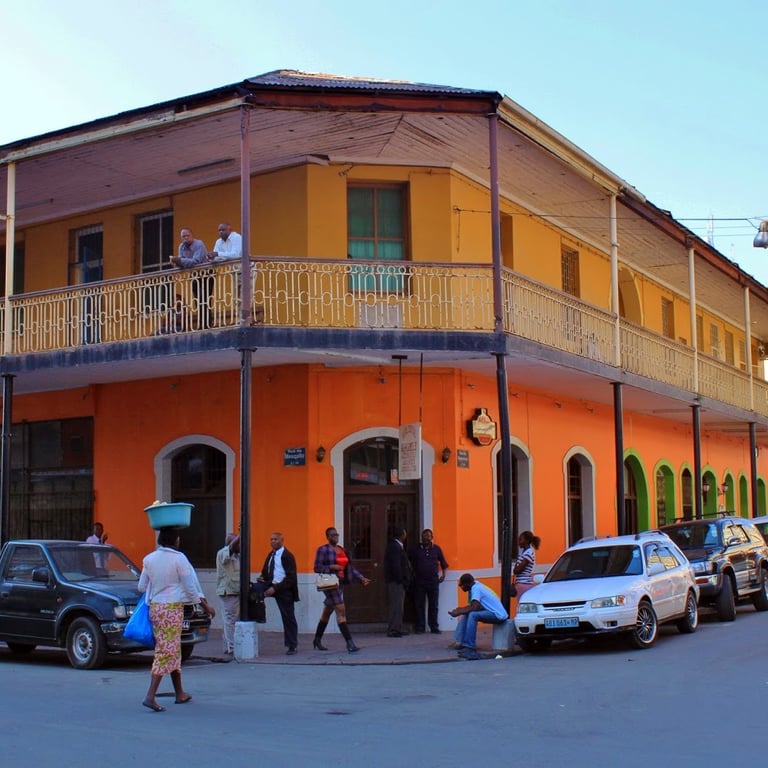
This is typically a 2.5 to 3.5-hour guided walk through the historic district. The route is relatively flat and covers roughly 3 to 4 kilometers (2–2.5 miles). Most tours focus on the colonial "Baixa" (Lower Town), where the city's Portuguese heritage meets modern Mozambican life. Guides often provide a deep dive into the country's transition from colonial rule to independence, using the city's monuments as a storyboard.
Tour Highlights
Maputo Central Railway Station: Often cited as one of the most beautiful in the world, featuring a bronze dome and intricate Beaux-Arts lattice work (often incorrectly attributed to Gustave Eiffel, though actually designed by his associates).
The Iron House (Casa de Ferro): A literal house made of iron, designed by Eiffel’s firm in the 1890s for the Governor—who quickly realized an iron house in a tropical climate was essentially an oven.
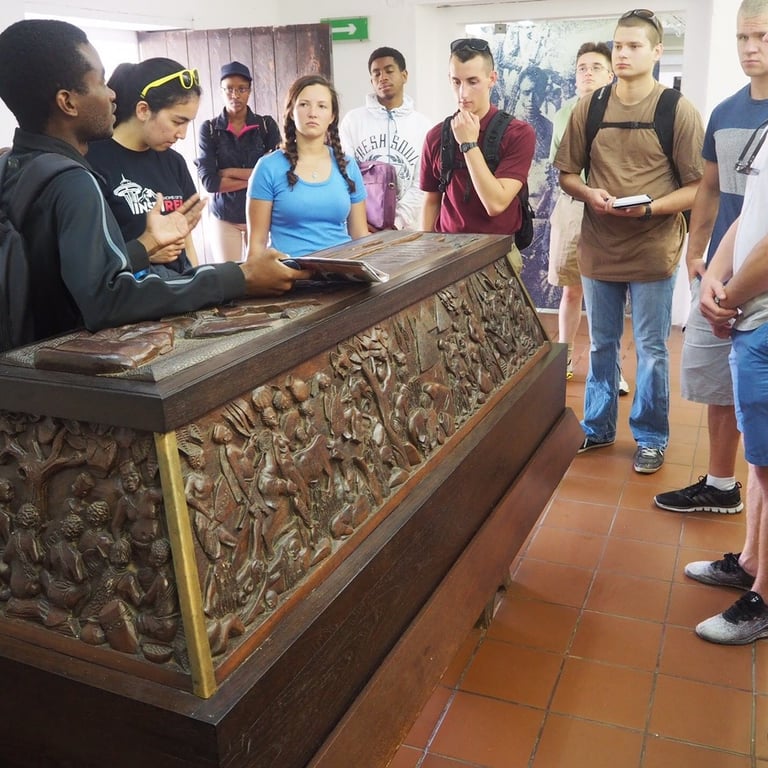
The Fortress (Fortaleza): A small but sturdy 19th-century fort that now houses a military museum and the remains of Ngungunhane, the last king of the Gaza Empire.
Central Market (Mercado Central): A vibrant hub where you’ll see rows of fresh seafood, mountains of cashews, and traditional "Piri-Piri" sauces.
Independence Square: The heart of the city, featuring the massive statue of Samora Machel (Mozambique's first president), the neoclassical City Hall, and the white, Art Deco Sé Cathedral.
Tunduru Botanical Gardens: A lush, green escape designed by British gardener Thomas Honney in 1885, famous for its resident colony of fruit bats.
Inclusions
Expert Local Guide: Professional commentary on history, architecture, and current Mozambican culture.
Snack/Refreshment: Many tours include a stop for a Pastel de Nata (Portuguese custard tart) or a tasting of local exotic fruits like "monkey orange" at the market.
Bottled Water: Provided to keep you hydrated in the humid Maputo heat.
Exclusions
Transportation: Most tours start at a central meeting point (like the Cathedral). Hotel pickup is usually an optional paid extra.
Lunch: While the tour ends near many great restaurants, the meal is typically for your own account.
Personal Shopping: Any cashews, capulanas (traditional fabric), or crafts bought at the market.
Good to Know
Photography: Ask your guide before photographing government buildings or police
officers—some areas in the Baixa are sensitive.
Footwear: The sidewalks in Maputo (traditional Portuguese calcada) can be uneven; wear comfortable walking shoes.
Timing: Morning tours (starting around 09:00 AM) are highly recommended to avoid the midday humidity